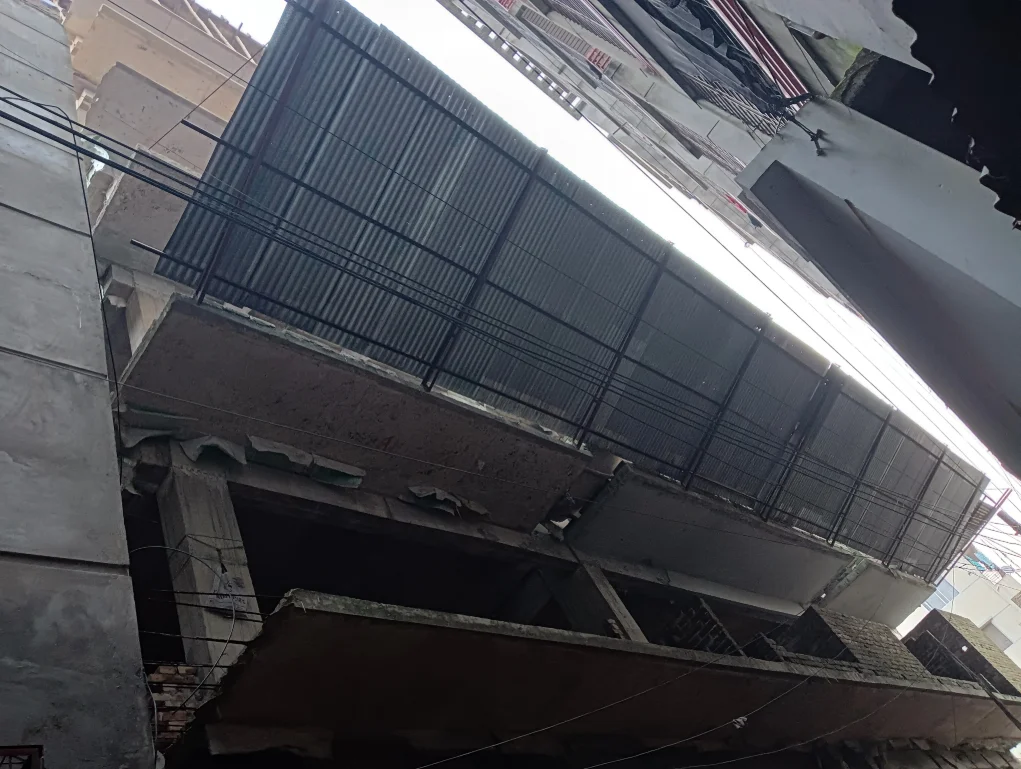
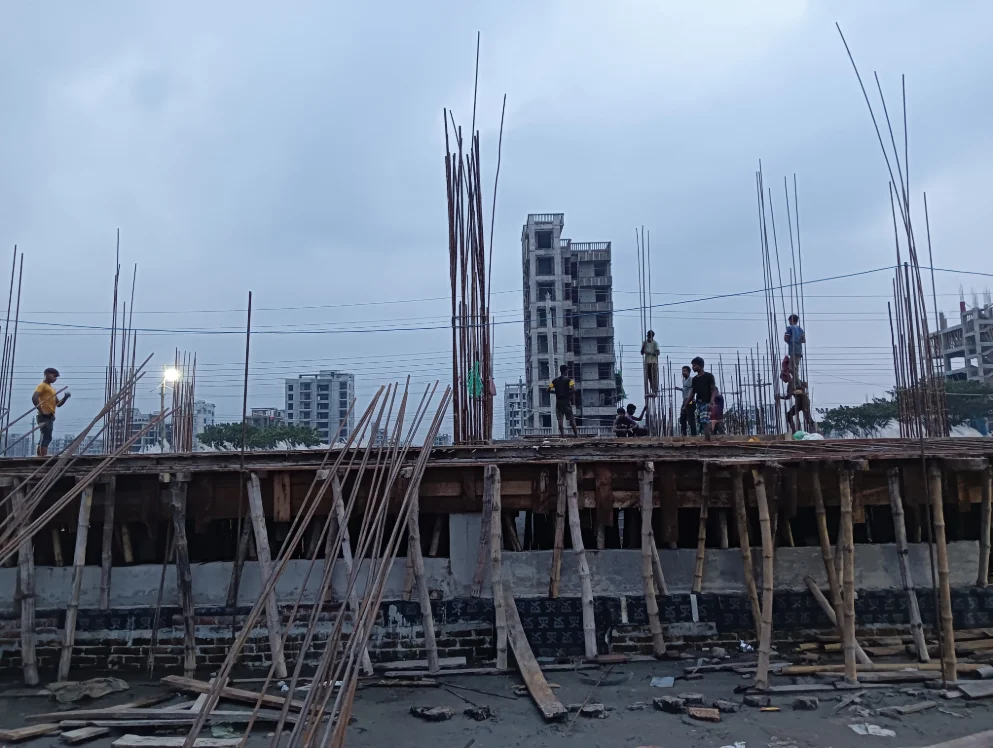
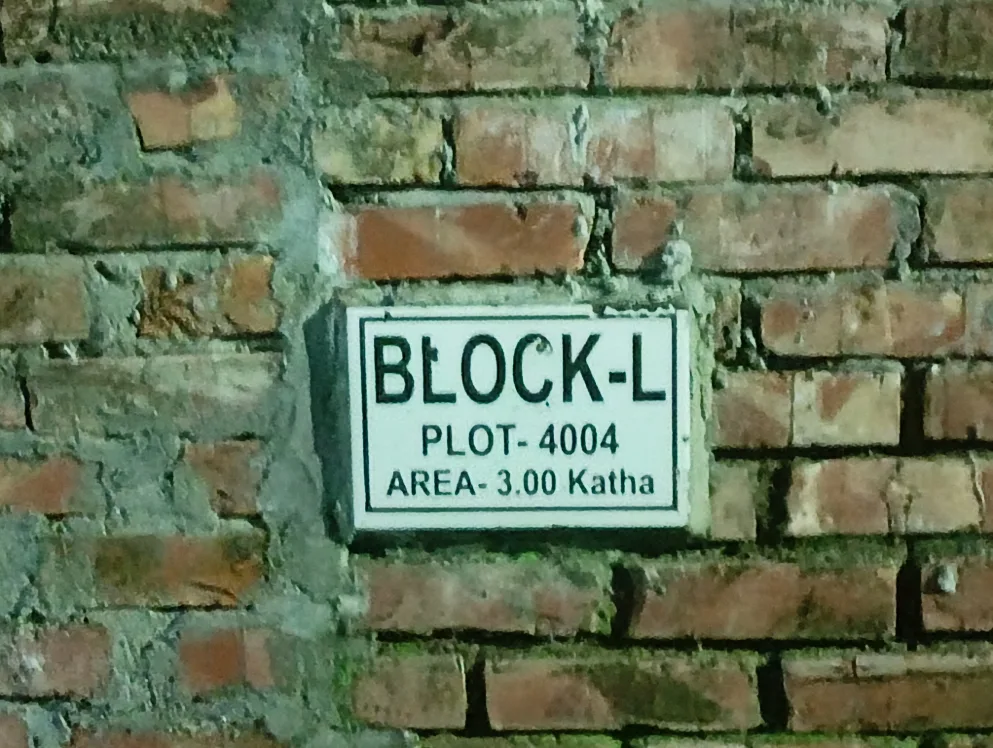
This Basundhara G+7 construction-progress journal records visible site conditions in Block L, Dhaka, including structural work, reinforcement and slab views.
What the Basundhara site record shows
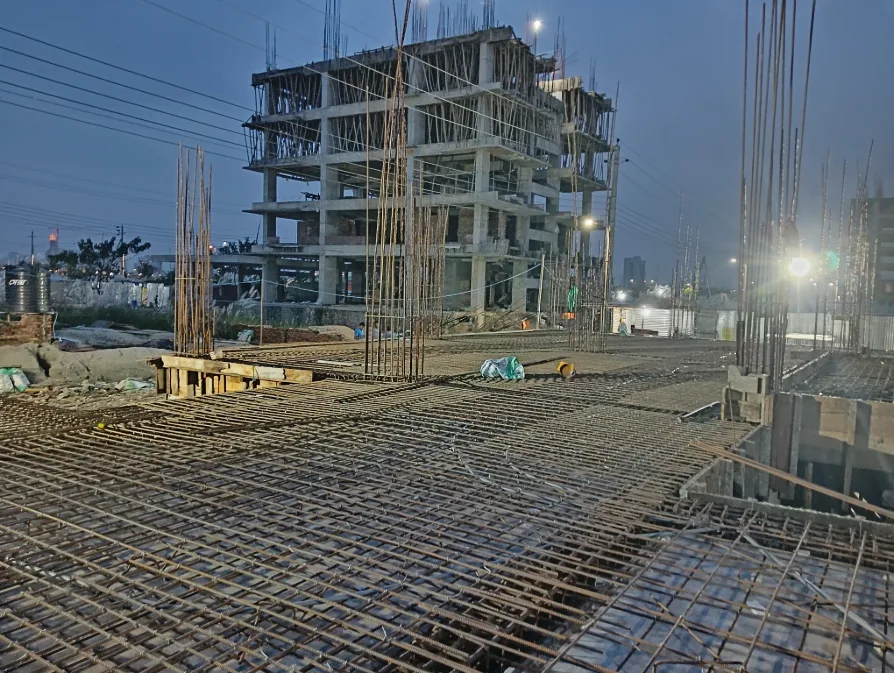
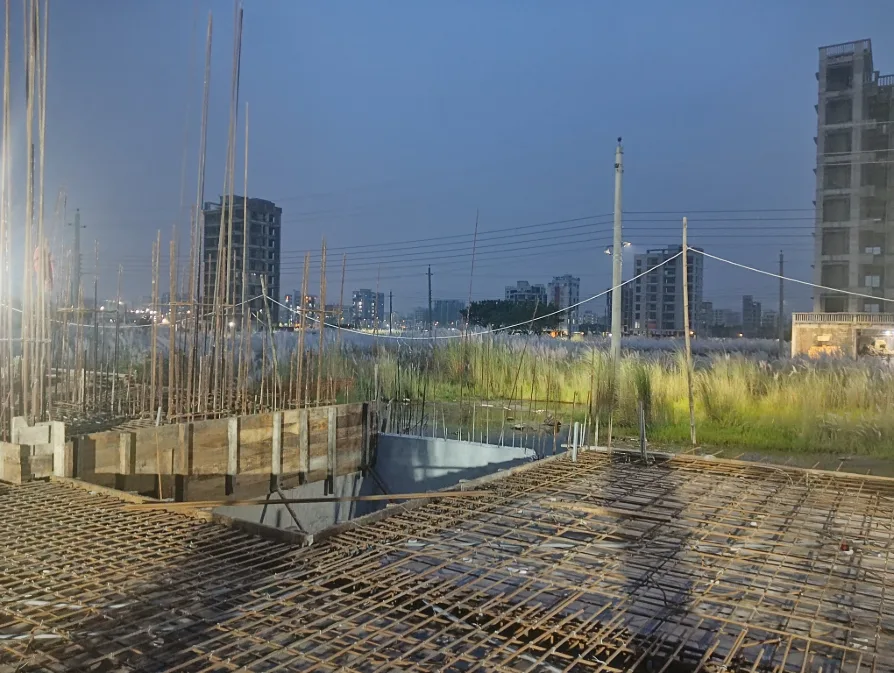
The Basundhara G+7 archive records visible site progress in Block L, Dhaka. The article treats photographs as a time-specific record to compare with drawings and the documented project stage.
- Use wide site photographs to establish location, level and overall progress before reading close details.
- Record reinforcement, columns and slabs while they remain visible for review.
- Treat photographs as evidence of observed conditions, not as proof of elements that are outside the camera view.
Read the site before reading the detail
A construction photograph should first establish where the viewer is looking. A wider building or floor view gives context for the stage being recorded, while closer photographs can then explain a particular structural or service condition. This sequence reduces ambiguity and makes the record more useful when reviewed later by someone who was not present during the visit.
Structural elements need contextual documentation
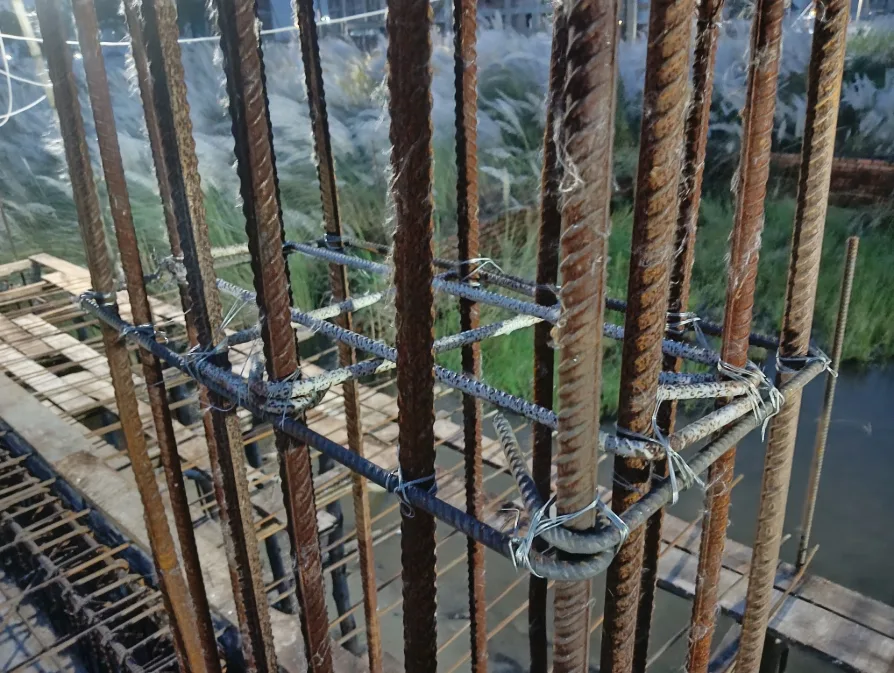
Columns, beams, reinforcement and slabs are connected parts of one structural system. A photograph of one element can show its visible condition, but the project team still needs drawings, dimensions, specifications and professional inspection to determine whether work matches approved design. The journal treats images as documentation evidence, not a substitute for engineering verification.
Record reinforcement before it disappears
Reinforcement is often easier to inspect and photograph before concrete or later finishes cover it. Clear photographs preserve information about what was visible at a particular stage and can support later coordination. Captions should identify element and location where known, while technical acceptance remains dependent on responsible professionals and project documents.
Coordinate services before closure
Electrical conduits and other service provisions can become difficult to understand after slabs, walls or ceilings are closed. Recording visible service routes during construction creates a useful project history and helps connect architectural requirements with structural and MEP coordination. A good site record needs enough context to explain what was observed and why it mattered.
Use photographs to support follow-up decisions
The strongest construction record connects observation to action. If a photograph raises a question about alignment, reinforcement, service routing or workmanship, the next step should be traceable: identify location, compare against relevant information, assign responsibility and record resolution. This turns photography from an archive into a practical communication tool.
Build a repeatable site documentation sequence
A consistent sequence makes project records easier to compare across visits. Start with access and overall progress, move to the floor or zone being inspected, then document structural elements, services and notable conditions. Repeating that order at later stages makes change easier to see and helps a client or project team understand progress without relying on memory.
Keep the record honest
Construction photographs communicate only what is visible from their viewpoint. They should not be used to claim hidden conditions, completed approvals or technical performance that cannot be established from the image. Clear captions and restrained wording protect portfolio credibility while still showing practical site involvement.
Why site documentation strengthens an architecture portfolio
Including construction-stage documentation demonstrates that architectural work continues beyond rendered presentation. It shows attention to coordination, sequencing, site observation and communication. For clients, that can make the portfolio more informative because it connects design intent with construction realities without overstating what photographs prove.
A construction record becomes more valuable when photographs from different visits can be compared. Similar camera positions, clear dates and consistent captions help show what changed between stages. The purpose is not to create a photographic catalogue of every activity, but to preserve enough evidence to understand progress and identify conditions that required attention.
Compare repeated visits
Site documentation also helps explain how architectural decisions meet construction conditions. Levels, openings, service routes, structural members and finishes have to coordinate before work becomes difficult to change. Recording these moments gives the portfolio a more complete picture of architectural practice: design is followed by checking, coordination and communication on site.
Keep architecture connected to construction
Not every photograph needs to prove a success. A useful record can also preserve an unresolved condition so it can be reviewed later. Clear framing, location information and neutral captions make such photographs constructive rather than negative. This approach supports professional communication because questions remain visible until the responsible team confirms their resolution.
Document what needs another look
A CLOSER LOOK
A closer look at site evidence.
The project is most useful when wider context, structural details and service coordination are read together.